
Aging Moonshine at Home: Turning Clear Corn Liquor into Liquid Gold
Moonshine has a certain rebellious charm. That clear, fiery corn liquor feels raw, rustic, and a little bit dangerous. But here’s the secret most people don’t realize: with some patience and the right barrel, that rough white dog can transform into a smooth, complex spirit that rivals top-shelf whiskey.
That transformation happens in the barrel.
Why Age Moonshine?
Fresh moonshine is essentially unaged whiskey. It’s high-proof, sharp around the edges, and full of potential. When you age it in oak, three important things happen:
-
Color – The spirit pulls natural pigments from the wood, turning from clear to a rich straw, amber, or deep caramel color.
-
Flavor – Oak adds notes of vanilla, caramel, toast, spice, and subtle sweetness, while harsh compounds mellow out.
-
Mouthfeel – Over time, the spirit becomes rounder and smoother, with less burn and more balance.
In short, the barrel doesn’t just “store” your moonshine – it finishes it.
Why the Barrel Matters So Much
Not all barrels are created equal. The type of oak, the way it’s cured, and the level of char on the inside all change how your moonshine evolves. Cheap decorative barrels often leak, use low-grade wood, or are poorly charred, which can leave you with off-flavors or, worse, ruined spirits.
If you’re serious about home aging, this is where Thousand Oaks Barrel Co.shines.
Their barrels are designed with home distillers and enthusiasts in mind. The wood is properly seasoned so it imparts flavor instead of harsh, green tannins. The char levels are carefully controlled, giving your moonshine access to layers of sugar and lignin inside the oak—key to those classic vanilla, caramel, and smoky notes. Hardware and construction are built to actually hold liquid, not just look good on a shelf.
In smaller barrel sizes, like the ones Thousand Oaks Barrel Co. offers for home use, you also get a higher surface-area-to-volume ratio. That means more spirit is touching more wood, which can accelerate the aging process compared to large commercial barrels. You get noticeable flavor changes in weeks and impressive results in a few months.
Getting Started with Aging Moonshine
Here’s a simple approach:
-
Prep your barrel – Follow the instructions to swell and seal the wood. A quality barrel from Thousand Oaks Barrel Co. will come with clear guidance.
-
Fill with moonshine – Aim for a reasonable proof (often 100–120) to extract flavor without pulling too many harsh compounds.
-
Store smart – Keep it in a cool, stable environment away from direct sunlight.
-
Taste regularly – Because small barrels work quickly, sample every couple of weeks. When it tastes right to you, bottle it.
The Bottom Line
If you want to turn raw moonshine into something rich, smooth, and uniquely yours, the barrel is everything. Choosing a well-made, properly charred oak barrel from Thousand Oaks Barrel Co. gives you the best shot at crafting a spirit you’ll be proud to pour for friends—and maybe brag about just a little.
The Bold Tradition of Drinking Moonshine from a Charred Oak Tumbler
Moonshine has always been a spirit rooted in tradition—raw, powerful, and unapologetically rustic. From hidden stills deep in the mountains to modern craft distilleries, moonshine has kept its rebellious character intact. But there’s a new way to elevate the moonshine-drinking experience, one that brings craftsmanship and authenticity together in a single cup: sipping moonshine from a charred oak tumbler.
While most people focus on aging moonshine in barrels, few realize that the vessel you drink from can dramatically influence the flavor. Just as whiskey pulls character from the charred interior of an oak barrel, moonshine can also take on subtle notes when served in a charred oak tumbler. And if you want the real thing—not a novelty item or decorative cup—there is only one place to get it: Thousand Oaks Barrel Co.
Why a Charred Oak Tumbler Changes Everything
A traditional glass doesn’t interact with your spirit. It simply holds it. But a tumbler made from real charred barrel stave oak does something extraordinary—it imparts character, aroma, and depth with every sip.
1. Natural Flavor Enhancement
Charred oak releases vanillin, caramelized sugars, and soft spice notes. When fresh moonshine meets that charred surface, it begins to absorb subtle flavors almost instantly. You may notice touches of vanilla, toasted oak, or a hint of smoke that weren’t there before.
2. A True Whiskey-Like Experience
Drinking from a charred oak tumbler mimics the interaction between spirit and barrel, giving your moonshine a more refined profile. It doesn’t age the spirit, but it does elevate it, offering a smoother, more rounded flavor with each pour.
3. Aroma Matters
The porous oak warms slightly in your hand, releasing natural aromas that enhance the nose of your moonshine. It’s an immersive sensory experience glass simply can’t match.
Why Thousand Oaks Barrel Co. Is the Only Source
Thousand Oaks Barrel Co. is the exclusive maker of true charred oak tumblers crafted from authentic barrel staves. These aren’t replicas, souvenirs, or mass-produced wooden cups—they are handcrafted from the same oak used in premium aging barrels.
Each tumbler is shaped from seasoned, high-quality American oak and individually charred to create the classic alligator-char pattern found inside real whiskey barrels. This allows the tumbler to behave like a miniature aging vessel, enhancing every sip you take.
No other company offers tumblers made this way, and no other product delivers the same flavor-enhancing results. Thousand Oaks Barrel Co. has become the go-to brand for distillers, enthusiasts, collectors, and home moonshiners who want a drinking vessel that feels as authentic as the spirit itself.
The Perfect Way to Sip Moonshine
Whether you're enjoying clear white lightning, a flavored shine, or a home-aged batch, a charred oak tumbler adds a new level of tradition and craftsmanship to your drink. It’s rustic, bold, and undeniably authentic—just like moonshine itself.
If you’re ready to experience moonshine the way it was meant to be enjoyed, the only place to find genuine charred oak tumblers is Thousand Oaks Barrel Co. Raise your cup, savor the oak, and drink like a true spirit maker.
The History of the Moonshine Jug: How an Outlaw Icon Became American Folk Art
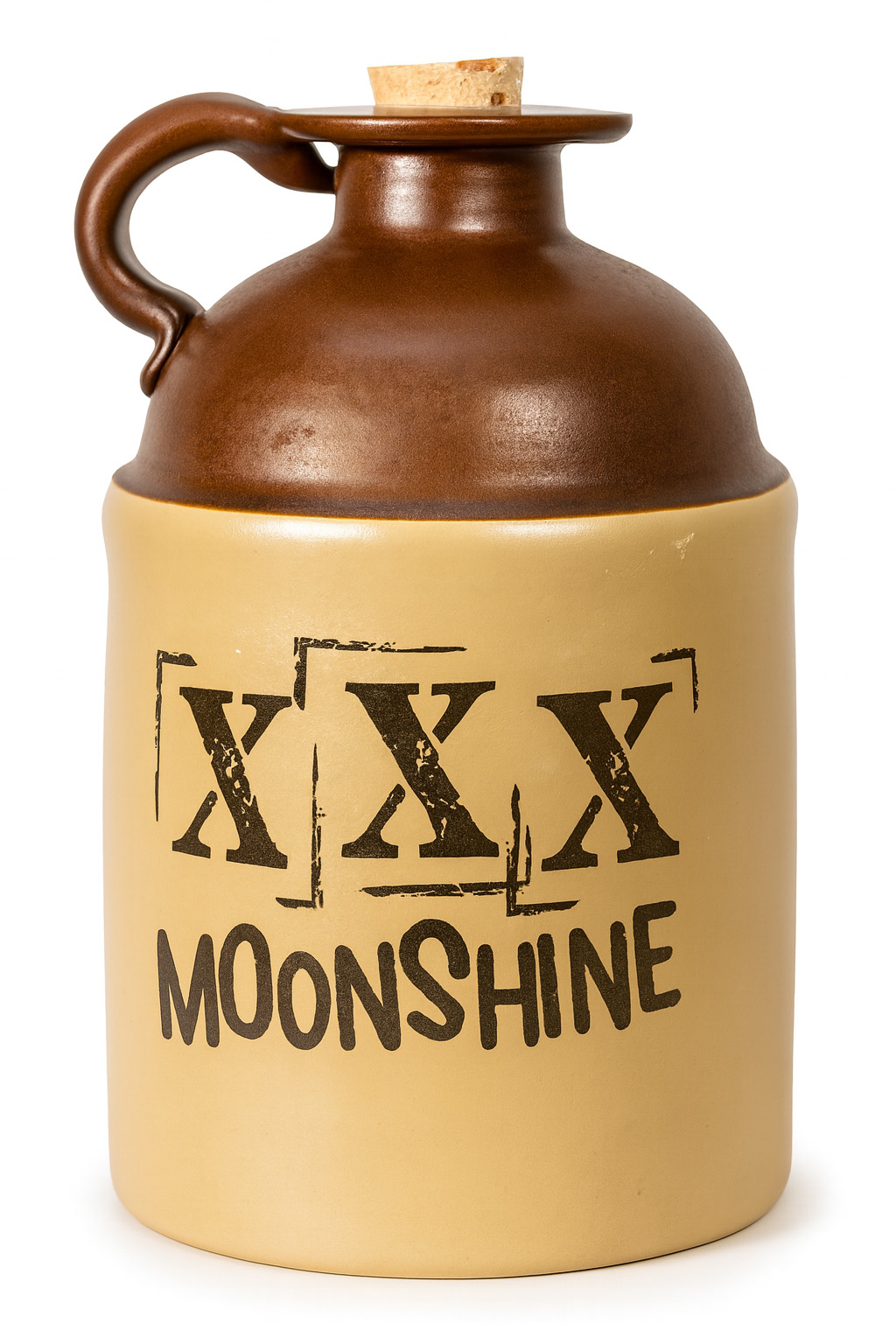
The moonshine jug is more than a rustic container with a cork top and the famous “XXX” on its side. It’s a powerful symbol of American ingenuity, rebellion, and folk tradition. Today, it often appears in vintage décor or Appalachian crafts, but its true history reveals a deeper story of secrecy, craftsmanship, and survival.
Early Origins: A Practical Frontier Tool
In the 18th and 19th centuries, early American settlers relied on stoneware jugs for storing homemade goods, including whiskey, cider, and vinegar. These jugs were durable and affordable, making them the perfect vessels for the homemade spirits that would become known as moonshine.
The word “moonshine” refers to illegally produced alcohol—often crafted at night to avoid detection. Naturally, the dependable stoneware jug became an essential part of this hidden craft.
Why the “XXX” Mark Matters
The XXX symbol is one of the most recognizable aspects of the moonshine jug. Contrary to myth, it wasn’t a warning label—it was a quality indicator:
-
X = first distillation (weak)
-
XX = improved second run
-
XXX = fully distilled, strongest batch
This simple marking allowed distillers and customers to instantly understand what they were getting.
https://moonshinejugs.com
Prohibition: The Rise of Moonshine Culture
The moonshine jug reached legendary status during Prohibition (1920–1933), when producing or selling alcohol became illegal. Rural distillers—especially throughout the Appalachian Mountains—continued their craft in secret, using stoneware jugs that were easy to hide and transport.
This period gave rise to:
-
Underground moonshine distribution
-
High-speed bootlegging routes
-
Car modifications that eventually inspired NASCAR
The jug became a symbol of rebellion and survival during hard economic times.
From Outlaw Container to Folk Art Icon
After Prohibition ended, the moonshine jug transitioned from a practical tool to a collectible piece of Americana. Antique jugs are prized for their craftsmanship, glaze variations, and hand-painted markings. Modern distilleries and décor makers continue to replicate the iconic design, keeping the moonshine jug’s legacy alive.
Today, the moonshine jug stands as a reminder of American resilience, creativity, and frontier spirit.
The History of the Finger Loop on a Moonshine Jug
The iconic moonshine jug—typically stoneware, salt-glazed, and stamped with a simple brown slip—has become a symbol of American folk culture. Among its most recognizable features is the small handle or finger loop near the neck. Though modern depictions often treat it as a whimsical detail, the finger loop has a long, practical history rooted in craftsmanship, commerce, and the culture surrounding illicit spirits.
The origin of the finger loop predates American moonshining by centuries. Early European stoneware vessels from Germany and England, particularly those produced in the 16th and 17th centuries, often featured small handles designed to aid in pouring or tethering the jug during transport. When European potters immigrated to North America, they brought with them both their technical skills and their design conventions. As stoneware production grew in the American colonies—especially in the Mid-Atlantic and Southern states—these traditional jug shapes were adapted to local needs, giving rise to what we now think of as the classic American whiskey or moonshine jug.
The finger loop developed into a signature feature because of its functional advantages. Moonshine, whether legally distilled whiskey or illicitly produced “white lightning,” was often stored and transported in heavy stoneware vessels. A gallon-sized jug filled with liquid could weigh more than ten pounds. The loop allowed drinkers, distillers, and bootleggers to stabilize the vessel with one hand while pouring or carrying it. Its small size was intentional: unlike a full handle that required more clay and structural reinforcement, the finger loop minimized material use while still providing a meaningful grip point. For potters working in small rural workshops, efficiency of material and labor mattered.
During the 19th century, as moonshining became increasingly tied to rural defiance of federal liquor taxes, the jug—and its loop—took on cultural meaning beyond its practical value. In Appalachia and other remote regions, families passed down both distilling methods and pottery techniques. The finger loop became a recognizable symbol of homemade liquor, appearing in early cartoons, temperance propaganda, and later, Hollywood films. A single looped jug sitting on a porch or tucked in a barn came to represent secrecy, independence, and the ingenuity of backwoods distillers.
By the early 20th century, mass-produced glass bottles began to replace stoneware jugs for commercial spirits. Still, moonshiners continued using stoneware because it was durable, opaque, and locally produced. The finger loop persisted as a visual shorthand for tradition, even as its practical role diminished. Today, artisans and small distilleries often recreate the classic jug shape—complete with the characteristic loop—to evoke authenticity, craft, and heritage.
Ultimately, the history of the finger loop on a moonshine jug is a story of continuity: a small but enduring design element that traveled across continents, served generations of craftspeople, and became inseparable from the folklore of American distilling. Far more than a decorative flourish, it is a mark of the jug’s functional past and its cultural legacy.
The Corn Behind the Shine: How Different Corn Varieties Shape Moonshine Flavor
When people talk about moonshine, they often focus on the still, the tradition, or the burn—but seasoned distillers know that the real story starts long before the mash. It begins in the cornfield. Corn is the backbone of classic American moonshine, and different varieties lend unique flavors, textures, and aromas to the final spirit. Understanding these distinctions can elevate both the craft of distilling and the appreciation of what ends up in the glass.
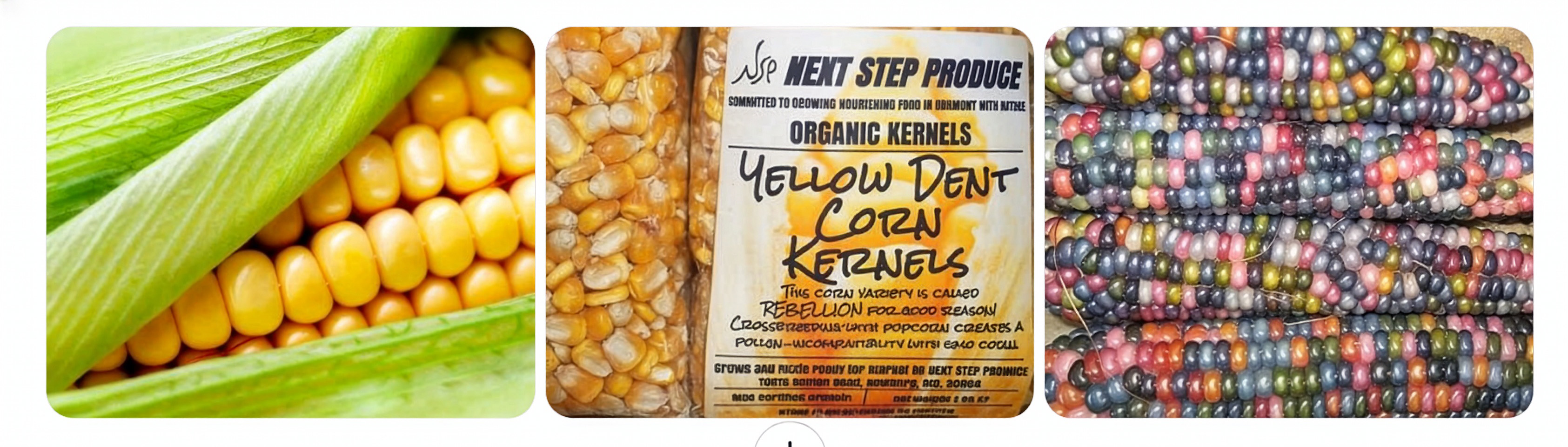
1. Yellow Dent Corn: The Workhorse of Moonshine
Yellow dent is the most commonly used corn in commercial whiskey and traditional moonshine. Its name comes from the small “dent” that forms in each kernel as it dries.
Yellow dent is high in starch, which makes it excellent for fermentation efficiency. But beyond yield, its flavor is what keeps it a staple. Moonshine made from yellow dent tends to have:
-
A mild, slightly sweet flavor
-
A clean grain character
-
Soft corn notes without overwhelming richness
This makes it ideal for distillers aiming for consistency and a smooth backbone.
2. White Corn: Soft, Sweet, and Old-School
White corn has long been associated with old-style Appalachian moonshine. Compared to yellow dent, white corn typically yields a spirit that is:
-
Sweeter on the palate
-
Creamier in mouthfeel
-
Lightly buttery or bread-like
White corn’s subtlety allows other ingredients—like malted grains—to shine through. Many premium white-whiskey makers favor it for its refined and approachable flavor.
3. Blue Corn: A Bold, Earthy Twist
Blue corn isn’t just for tortillas; it creates one of the most distinctive moonshines you can make. Rich in protein and anthocyanins, blue corn tends to ferment differently and produce deeper flavor compounds.
Moonshine made from blue corn is often described as:
-
Earthy and nutty
-
Richer than standard white or yellow corn
-
Slightly sweet with a hint of toasted grain
It also imparts a fuller body, offering a surprisingly robust sipping experience.
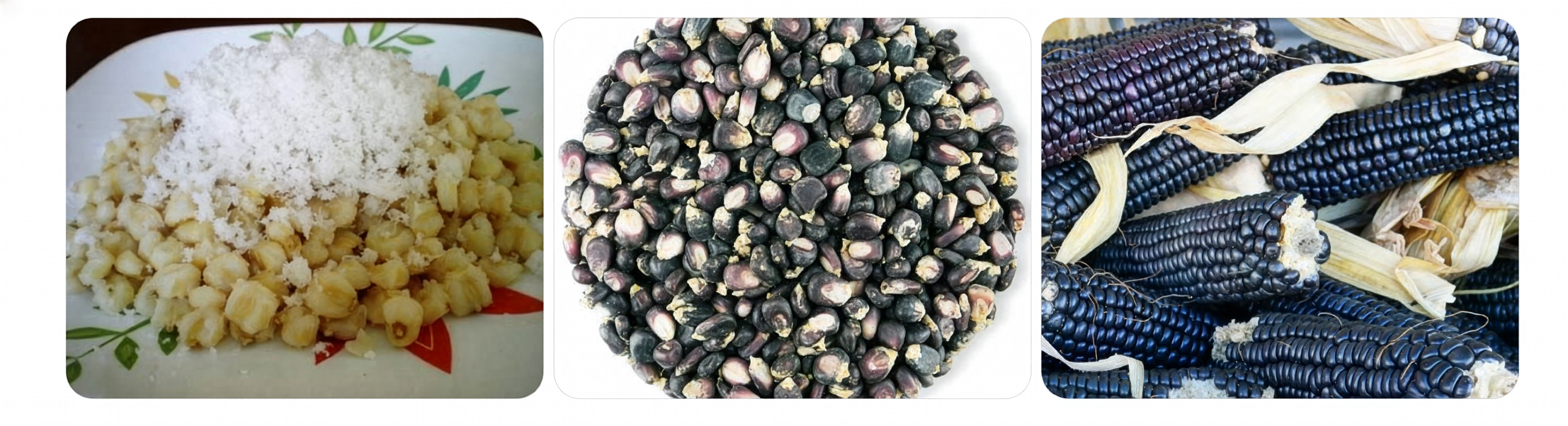
4. Flint Corn (Including Red & Multicolored Varieties): Complex and Aromatic
Flint corn varieties, known for their hard, glasslike kernels, are less common in moonshine but beloved by artisanal distillers seeking complexity.
Flint corn–based spirits tend to showcase:
-
Complex grain sweetness
-
Aromatic, sometimes fruity notes
-
A crisp, lively finish
Red flint varieties in particular can bring subtle berry or floral tones that set them apart from the more neutral profiles of dent corn.
5. Hybrid & Heirloom Varieties: Craft Distilling’s Frontier
As craft distillers experiment, heirloom corns like Bloody Butcher or Jimmy Red have surged in popularity. These varieties offer:
-
Spicy or savory undertones
-
Deep, layered sweetness
-
Unique terroir-driven character
They may be harder to source, but their flavor rewards the effort.
Final Sip
The choice of corn shapes the identity of moonshine long before fermentation begins. Whether you're chasing the soft sweetness of white corn, the earthy depth of blue corn, or the complexity of heirloom varieties, each type brings its own personality to the jar. For distillers and enthusiasts alike, exploring these differences is part of what makes moonshine both historic and endlessly creative.
If you'd like, I can turn this into a downloadable blog graphic, an SEO-optimized post, or expand it with tasting notes.
Mash Bills 101: Why What You Mash Matters
When it comes to crafting great homemade spirits, there’s one truth every distiller—novice or seasoned—eventually learns: your mash bill is the heart of your flavor. Long before the cuts, the still, or the barrel ever come into play, the ingredients you choose and how you combine them set the stage for everything that follows.
From classic corn mash to adventurous fruit ferments, mash bills are where creativity and craftsmanship collide. Let’s dig into the varieties distillers love and why experimenting with mash recipes is half the fun.
Corn Mash: The Old Faithful
Corn mash is the backbone of countless traditional American spirits. It brings a naturally sweet, full-bodied character that’s both comforting and endlessly versatile.
Whether you’re making a mellow white dog or the foundation for future bourbon, corn mashes ferment easily, produce consistent results, and leave plenty of room for creative twists. Add a little malted barley for conversion, tweak your grain ratios, or introduce smoked corn for something bold—corn mash rewards experimentation.
Sugar Shine: Simple, Fast, and Surprising
For beginners, sugar shine mashes are often the entry point into the world of distilling. Made primarily from granulated sugar, water, and yeast, these washes are simple to craft and ferment quickly.
While sugar shine is traditionally known for a clean, neutral profile, don’t underestimate its potential. Layer in fruits, molasses, honey, or botanicals and you can transform a basic shine into something vibrant and custom. Its simplicity makes it the perfect canvas for creative flavor building.
Fruit-Based Mashes: Flavor Straight from the Source
Fruit mashes are where artistry and agriculture meet. They’re a distiller’s playground—bursting with aroma, color, and natural sweetness.
Apple Mash
Bright, crisp, and aromatic. Apple mashes can yield spirits reminiscent of brandy, cider, or even bourbon-barrel-aged apple whiskey. They distill beautifully and mellow wonderfully over time.
Peach Mash
Soft, delicate, and wonderfully fragrant. Peach brings a silky mouthfeel and a juicy sweetness that shines whether you’re making a clear spirit or something destined for aging.
Blackberry Mash
Bold, tart, and deeply complex. Blackberry mashes create spirits with rich berry notes, natural acidity, and a stunning aroma. They’re also fantastic for blending.
Fruit-based mashes allow you to bottle the essence of a season—each batch slightly different, each flavor uniquely shaped by the fruit itself.
Rye & Bourbon-Style Mashes: Grain Builds Character
Grain-heavy mash bills—especially rye and bourbon-style blends—offer a traditional yet endlessly customizable foundation.
Rye Mash
Known for its spicy, earthy bite, rye adds depth and edge. It’s a favorite for distillers who enjoy bold, assertive spirits that stand out in cocktails.
Bourbon-Style Mash
At least 51% corn, balanced with rye, wheat, and/or barley, bourbon-style mashes give you the best of both worlds: corn’s sweetness supported by the structure of other grains. Swap rye for wheat and you’ll get a softer, smoother profile. Boost the rye and you’ll lean spicy and vibrant.
The possibilities are wide open.
Experimenting Is Half the Fun
The beauty of working with mash bills is simple: there are no limits.
Blend different grains, try wild yeast, ferment fruits in season, or split a batch to test different ratios. Distilling is part science, part art—and experimenting with mash bills is where the magic happens.
Each variation teaches you something. Each new recipe uncovers a flavor you didn’t expect. And every successful (or not-so-successful) batch adds to your craft.
In the end, the joy of distilling isn’t just in the final pour—it’s in the creative process that leads you there.
If you'd like, I can turn this into a branded article, add product mentions, create SEO keywords, or expand it into a multi-part series.
Why a Glass Moonshine Jug Is Better Than Clay or Ceramic
When it comes to storing moonshine, tradition runs deep. The image of an old clay or ceramic jug may evoke nostalgia, but modern distillers and enthusiasts know that the smartest, safest choice is clear: a glass moonshine jug. Beyond its timeless look, glass offers unmatched purity, safety, and reliability—qualities clay and ceramic vessels simply cannot deliver.
Glass Is Non-Reactive — A Critical Advantage
Glass is one of the most stable, non-reactive materials on earth. High-proof alcohol can act as a powerful solvent, pulling unwanted compounds out of anything it touches. With glass, you never have to worry about leaching, chemical reactions, or flavor alteration. Your moonshine tastes exactly the way you made it.
Clay and ceramic, however, aren't so neutral. Even when glazed, their porous nature means microscopic interactions can occur. Over time, those interactions can cause contamination or subtle flavor changes that compromise your spirit.

The Hidden Dangers of Clay and Ceramic Jugs
While rustic, clay and ceramic jugs carry risks that many people are unaware of—some of which can be hazardous to your health.
1. Lead and Heavy Metal Leaching
For centuries, ceramic glazes contained lead to achieve smooth, glasslike surfaces. Even today, some imported or improperly fired ceramics can leach lead or other metals. When exposed to strong alcohol, the chances of leaching rise dramatically. Because lead is odorless and tasteless, drinkers may never realize they’ve been exposed.
2. Porosity That Harbors Bacteria
Clay is naturally porous. If the glaze is thin or cracked—and many are—alcohol can seep into micro-pores where bacteria and residues accumulate. This not only threatens the purity of your moonshine but also makes the jug nearly impossible to clean completely.
3. Structural Weakness
Ceramic and clay vessels are more fragile than glass. Temperature shifts, age, or minor bumps can lead to cracking. A cracked vessel may leak, oxidize your moonshine, or even shatter unexpectedly.
Flavor Preservation and Quality Control
Moonshine makers take pride in every batch, and glass ensures the final product stays true. Glass prevents environmental exchange, oxidation, and flavor drift, offering a consistent, controlled storage environment. With clay or ceramic, the spirit can “breathe” through micro-pores—something you never want with high-proof alcohol.
Easy to Clean, Safe to Reuse
Glass is extremely easy to sanitize, does not retain odors, and remains safe for reuse indefinitely. Clay and ceramic rarely clean fully, and residues can linger through future batches.
Conclusion: The Clear Winner
Clay and ceramic may look nostalgic, but when purity, safety, and flavor matter, glass is the undisputed champion for moonshine storage. It’s safer, cleaner, more durable, and better for preserving the spirit you worked so hard to create.
Why Moonshine Jugs Are the Perfect Promotional Product for Moonshine Brands
In the world of craft spirits, standing out is essential—not just on the shelf, but in the hearts of consumers. For moonshine distillers looking to deepen that connection, Glass Moonshine Jugs by Thousand Oaks Barrel Co., available at MoonshineJugs.com, offer a unique and memorable promotional tool that blends tradition, storytelling, and brand engagement into one unmistakable package.
A Nod to Moonshine Heritage
Moonshine has always been a spirit rooted in history and rebellion. Its lore is filled with backwoods stills, prohibition-era bootleggers, and the iconic image of a glass jug filled with crystal-clear shine. Thousand Oaks Barrel Co. captures this heritage perfectly through their handcrafted jugs, bringing authenticity to modern branding efforts. When a customer receives a branded moonshine jug, they’re not just getting a vessel—they’re receiving a tangible reminder of the craft, legacy, and mystique behind the spirit itself.
A Premium Promotional Item That Gets Kept, Not Tossed
Unlike disposable swag, a beautifully made glass jug is something people keep. Whether displayed on a home bar, used as décor, or repurposed creatively, these jugs extend a brand’s presence far beyond an event or promotion. Each time a consumer sees the jug—especially with a distillery’s logo or artwork—they’re reminded of the experience, flavor, and story behind the brand. It becomes a long-lasting ambassador in the customer’s home.
Customization That Strengthens Brand Identity
Thousand Oaks Barrel Co. offers high-quality customization, allowing spirit companies to feature their logo, tagline, or even limited-edition artwork directly on the jug. This transforms a simple container into a collectible. For distilleries, that means increased brand recognition and an elevated promotional item that feels exclusive and premium. Whether used at festivals, tasting events, retail promotions, or as part of VIP gift sets, custom jugs create a strong brand impression aligned with the rugged, bold character of moonshine.
How Customers Connect With the Brand Through the Jug
A moonshine jug isn’t just marketing—it’s emotional storytelling. When customers hold a branded jug, they’re interacting with a piece of the brand’s personality. The tactile feel of glass, the vintage silhouette, and the association with authentic moonshine culture all work together to make the experience memorable.
Many consumers even associate the jug with the moment they first tried the brand, toured the distillery, or shared a drink with friends. Over time, the jug becomes a keepsake tied to those memories. That emotional anchor builds loyalty and encourages repeat purchases. It also sparks word-of-mouth marketing—people love telling the story behind a cool promotional piece, especially one with history baked into its design.
A Smart Investment for Growing Moonshine Brands
Promotional products work best when they blend utility, identity, and emotion. Thousand Oaks Barrel Co.’s Glass Moonshine Jugs accomplish all three with exceptional craftsmanship and brandable versatility. For spirit companies wanting to forge deeper customer connections and stand out in a competitive market, these jugs aren’t just containers—they’re powerful storytelling tools.
Recent posts
- Aging Moonshine at Home: Turning Clear Corn Liquor into Liquid Gold
- The Bold Tradition of Drinking Moonshine from a Charred Oak Tumbler
- The History of the Moonshine Jug: How an Outlaw Icon Became American Folk Art
- The History of the Finger Loop on a Moonshine Jug
- The Corn Behind the Shine: How Different Corn Varieties Shape Moonshine Flavor
- Mash Bills 101: Why What You Mash Matters
- Why a Glass Moonshine Jug Is Better Than Clay or Ceramic
- Why Moonshine Jugs Are the Perfect Promotional Product for Moonshine Brands