The Corn Behind the Shine: How Different Corn Varieties Shape Moonshine Flavor
When people talk about moonshine, they often focus on the still, the tradition, or the burn—but seasoned distillers know that the real story starts long before the mash. It begins in the cornfield. Corn is the backbone of classic American moonshine, and different varieties lend unique flavors, textures, and aromas to the final spirit. Understanding these distinctions can elevate both the craft of distilling and the appreciation of what ends up in the glass.
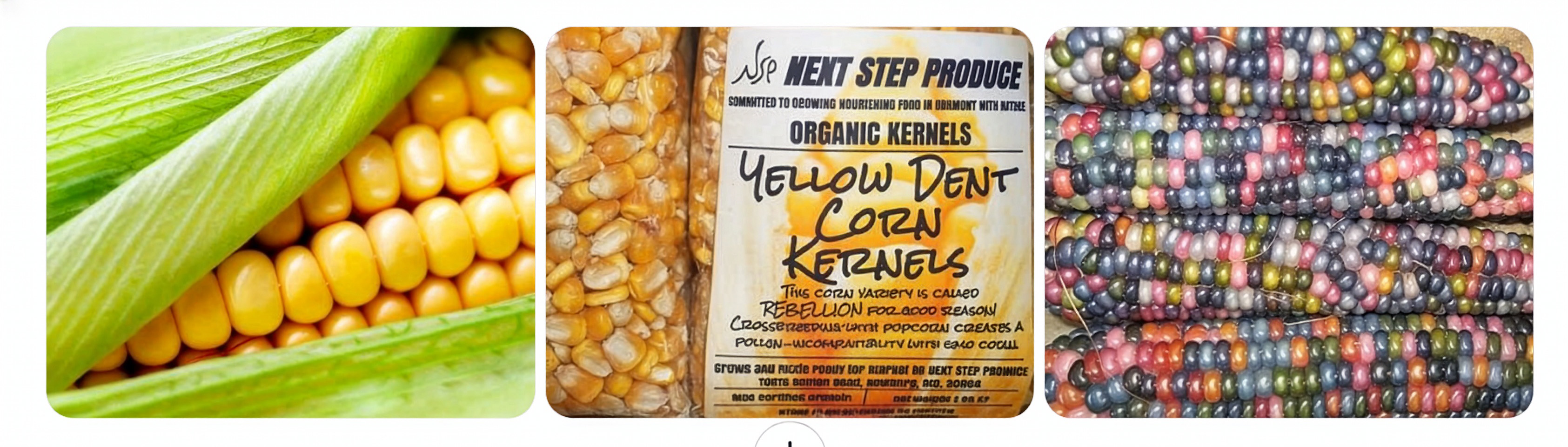
1. Yellow Dent Corn: The Workhorse of Moonshine
Yellow dent is the most commonly used corn in commercial whiskey and traditional moonshine. Its name comes from the small “dent” that forms in each kernel as it dries.
Yellow dent is high in starch, which makes it excellent for fermentation efficiency. But beyond yield, its flavor is what keeps it a staple. Moonshine made from yellow dent tends to have:
-
A mild, slightly sweet flavor
-
A clean grain character
-
Soft corn notes without overwhelming richness
This makes it ideal for distillers aiming for consistency and a smooth backbone.
2. White Corn: Soft, Sweet, and Old-School
White corn has long been associated with old-style Appalachian moonshine. Compared to yellow dent, white corn typically yields a spirit that is:
-
Sweeter on the palate
-
Creamier in mouthfeel
-
Lightly buttery or bread-like
White corn’s subtlety allows other ingredients—like malted grains—to shine through. Many premium white-whiskey makers favor it for its refined and approachable flavor.
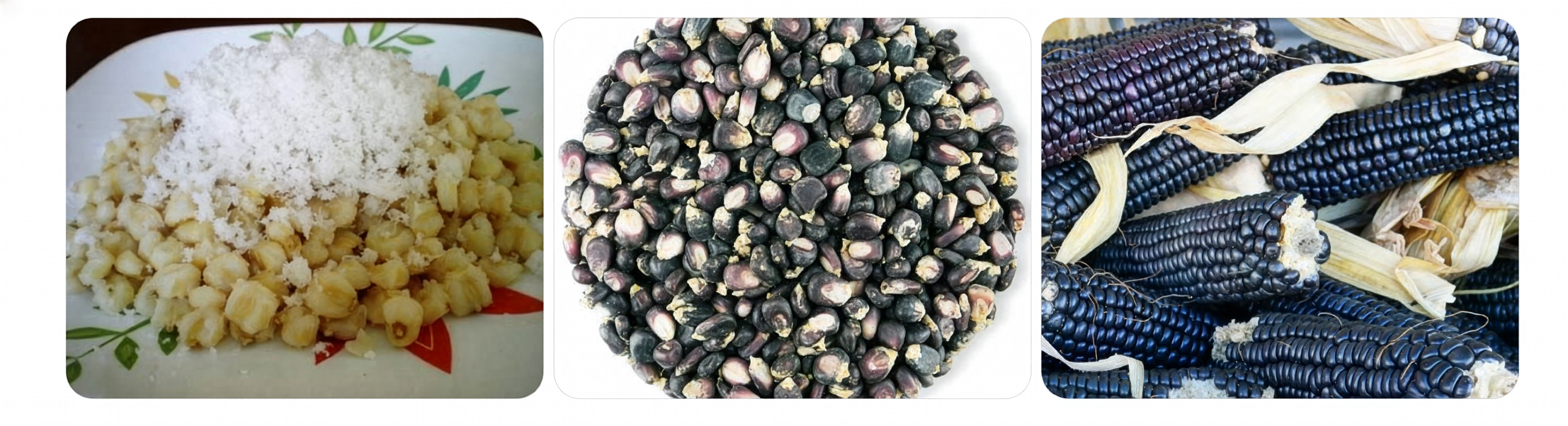
3. Blue Corn: A Bold, Earthy Twist
Blue corn isn’t just for tortillas; it creates one of the most distinctive moonshines you can make. Rich in protein and anthocyanins, blue corn tends to ferment differently and produce deeper flavor compounds.
Moonshine made from blue corn is often described as:
-
Earthy and nutty
-
Richer than standard white or yellow corn
-
Slightly sweet with a hint of toasted grain
It also imparts a fuller body, offering a surprisingly robust sipping experience.
4. Flint Corn (Including Red & Multicolored Varieties): Complex and Aromatic
Flint corn varieties, known for their hard, glasslike kernels, are less common in moonshine but beloved by artisanal distillers seeking complexity.
Flint corn–based spirits tend to showcase:
-
Complex grain sweetness
-
Aromatic, sometimes fruity notes
-
A crisp, lively finish
Red flint varieties in particular can bring subtle berry or floral tones that set them apart from the more neutral profiles of dent corn.
5. Hybrid & Heirloom Varieties: Craft Distilling’s Frontier
As craft distillers experiment, heirloom corns like Bloody Butcher or Jimmy Red have surged in popularity. These varieties offer:
-
Spicy or savory undertones
-
Deep, layered sweetness
-
Unique terroir-driven character
They may be harder to source, but their flavor rewards the effort.
Final Sip
The choice of corn shapes the identity of moonshine long before fermentation begins. Whether you're chasing the soft sweetness of white corn, the earthy depth of blue corn, or the complexity of heirloom varieties, each type brings its own personality to the jar. For distillers and enthusiasts alike, exploring these differences is part of what makes moonshine both historic and endlessly creative.
If you'd like, I can turn this into a downloadable blog graphic, an SEO-optimized post, or expand it with tasting notes.

Recent posts
- Aging Moonshine at Home: Turning Clear Corn Liquor into Liquid Gold
- The Bold Tradition of Drinking Moonshine from a Charred Oak Tumbler
- The History of the Moonshine Jug: How an Outlaw Icon Became American Folk Art
- The History of the Finger Loop on a Moonshine Jug
- The Corn Behind the Shine: How Different Corn Varieties Shape Moonshine Flavor
- Mash Bills 101: Why What You Mash Matters
- Why a Glass Moonshine Jug Is Better Than Clay or Ceramic
- Why Moonshine Jugs Are the Perfect Promotional Product for Moonshine Brands